Device Variations Shape Bonus Layering Practices in Reel-Based Credit Systems
Written by Mara Otto · Nov 23, 2026
Device Variations Shape Bonus Layering Practices in Reel-Based Credit Systems
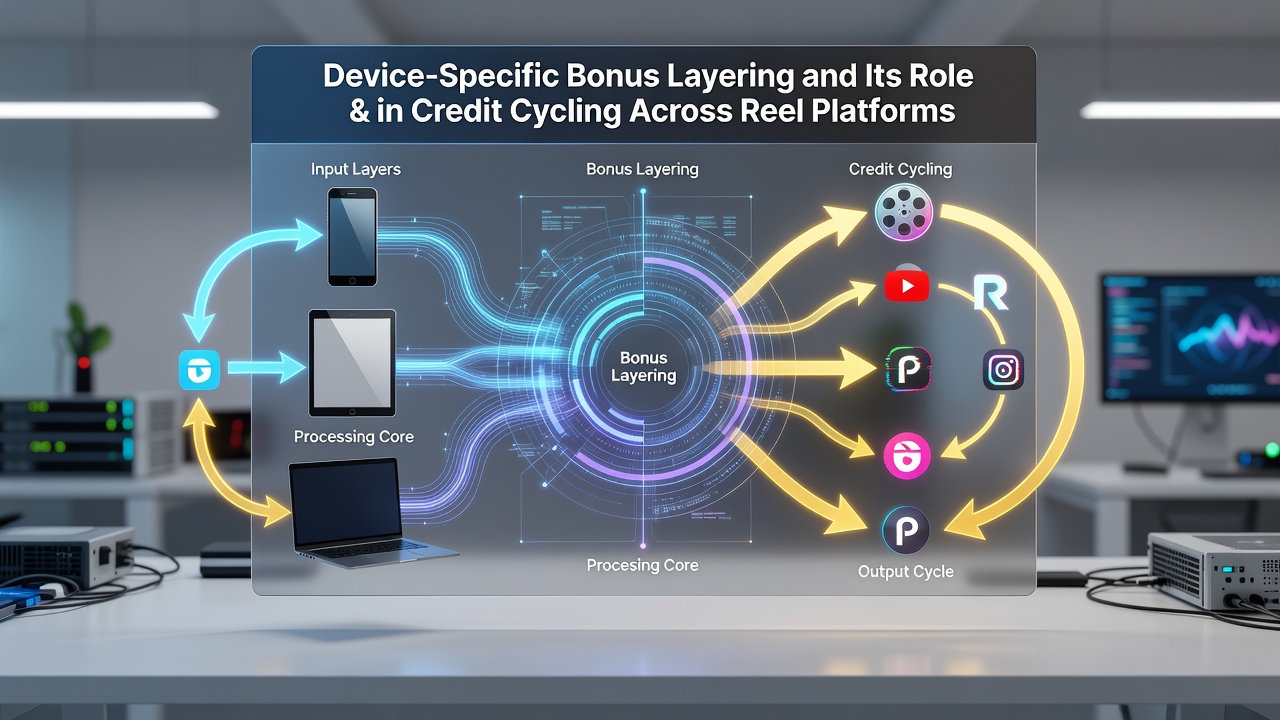
Device-specific bonus layering refers to the practice of adjusting promotional credit structures according to the hardware used for access, and this approach plays a documented role in how players manage credit cycling on reel platforms. Operators implement these adjustments through separate tracking protocols for mobile applications versus desktop interfaces, which creates distinct pathways for bonus activation and rollover requirements. Research from industry monitoring groups shows that mobile sessions often receive layered bonus tiers tied to session length metrics, whereas desktop access applies different stacking rules based on deposit frequency patterns.
Mechanics of Device-Based Adjustments
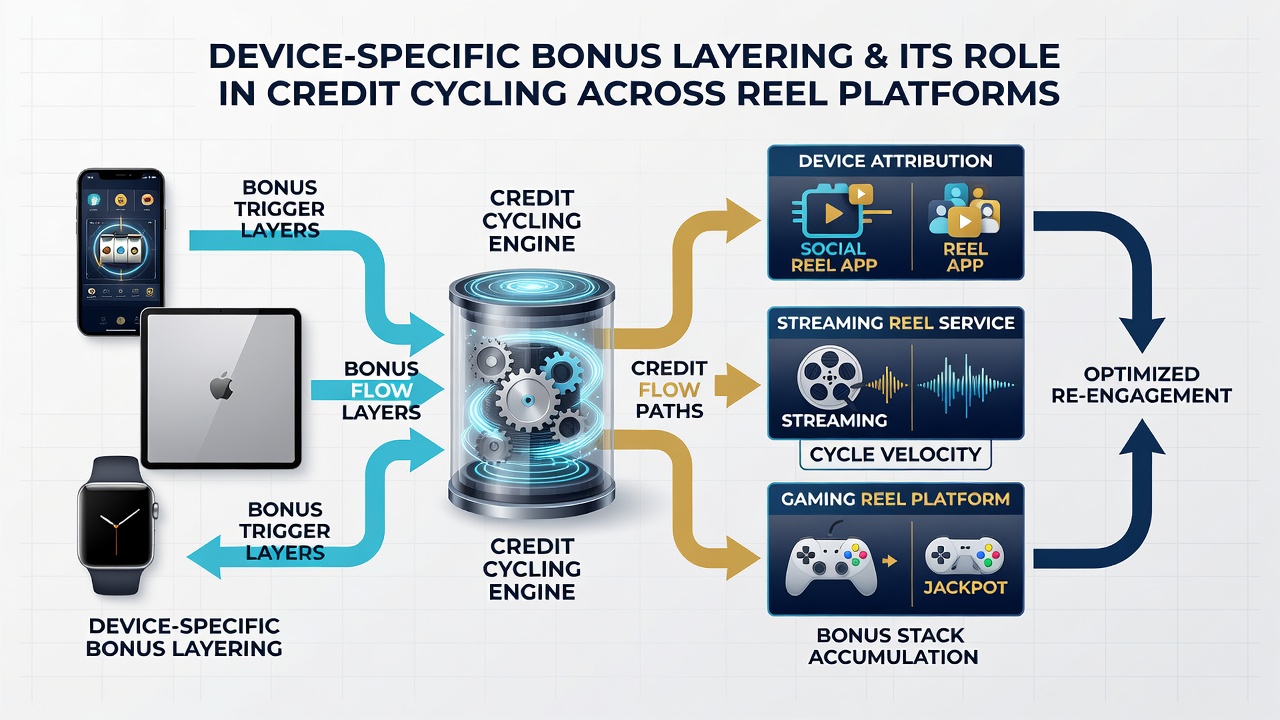
Reel platforms detect device type at login and apply corresponding bonus multipliers or eligibility flags before any gameplay begins. Mobile systems frequently route bonus credits through app-specific wallets that separate promotional funds from standard balances, which allows for independent cycling calculations. Desktop environments, by contrast, merge these elements into a single ledger view while enforcing device-flagged cooldown periods between cycles. Observers note that these distinctions emerged more clearly after platform updates rolled out in early 2025, with further refinements appearing in data sets collected through November 2026.
According to figures released by the New Jersey Division of Gaming Enforcement, mobile reel activity accounted for 67 percent of total bonus redemptions during the third quarter of 2026. The same report highlights that credit cycling rates on mobile devices averaged 1.8 times higher than on desktop sessions, largely due to the segmented wallet structures that reduce friction during repeated deposit-and-withdraw sequences.
Credit Cycling Patterns Across Platforms
Credit cycling describes the repeated movement of funds between deposits, wagers, and withdrawals, and device-specific layering influences the speed and volume of these movements. On mobile platforms, layered bonuses often reset after each completed cycle when the app detects a new session start, which encourages shorter but more frequent interactions. Desktop users encounter extended verification steps that stretch cycle durations, as the system cross-checks bonus history against a unified account record. Studies from academic gaming research centers indicate that these mechanics produce measurable differences in session volume, with mobile cycles completing in an average of 14 minutes compared to 27 minutes on desktop interfaces.
Regional Data and Platform Comparisons
European operators following standards from the Australian Communications and Media Authority guidelines have reported similar device-based variances in their 2026 quarterly summaries. Mobile bonus layering in those markets incorporates location-based triggers that desktop systems omit, which adds another variable to cycling behavior. One analysis of aggregated transaction logs revealed that players switching between devices mid-cycle experienced a 22 percent drop in bonus retention rates, as the platform reclassified the session under the stricter desktop ruleset.
Implementation Across Major Reel Systems
Platform developers integrate device detection through API calls that query hardware identifiers at the start of each connection. This process feeds directly into bonus engines that assign layering rules without requiring manual player input. Reel titles built on unified codebases still maintain separate bonus tables for each device category, which prevents cross-contamination of cycling data. Technicians who maintain these systems report that updates in November 2026 introduced additional checksums to verify device consistency throughout extended sessions, reducing instances where cycling patterns were interrupted by undetected platform shifts.
Those who track player migration between simulated and funded environments have documented that device layering affects how quickly promotional credits convert into withdrawable balances. Mobile layers tend to accelerate this conversion when users complete micro-cycles within a single app session, while desktop layers impose cumulative thresholds that require sustained activity across multiple logins. Data collected from operator dashboards shows consistent patterns across different reel providers, suggesting the practice has become standardized rather than isolated to individual companies.
Conclusion
Device-specific bonus layering continues to influence credit cycling mechanics on reel platforms through distinct mobile and desktop protocols. Regulatory reports and transaction analyses from 2026 confirm measurable differences in cycle speed and volume based on hardware detection. These systems remain embedded in current platform architectures, with ongoing refinements tied to session tracking and bonus eligibility flags.